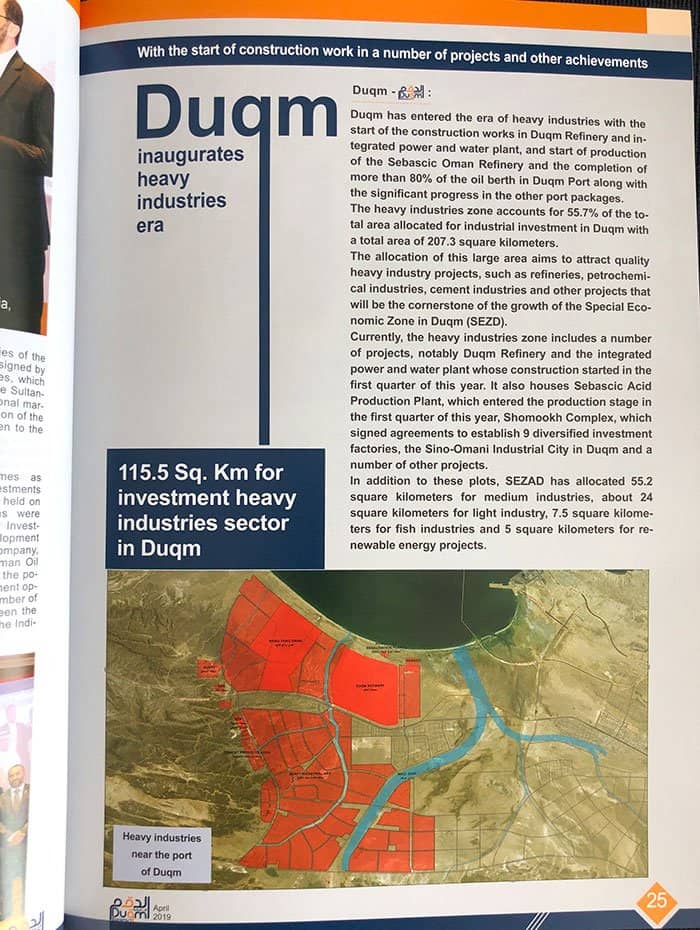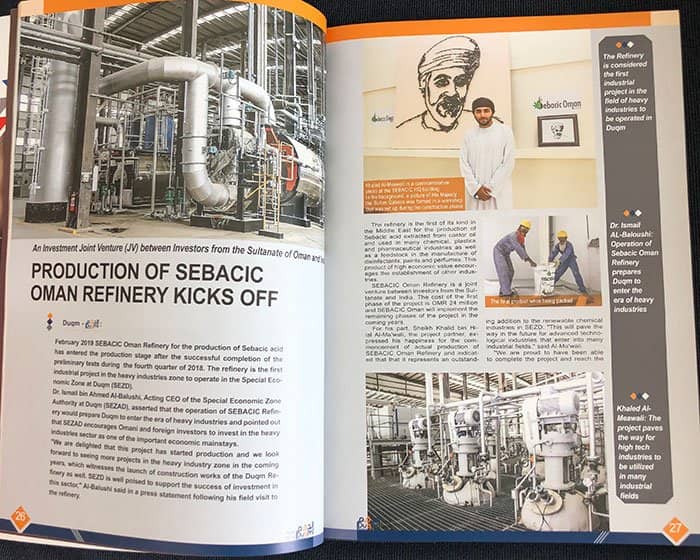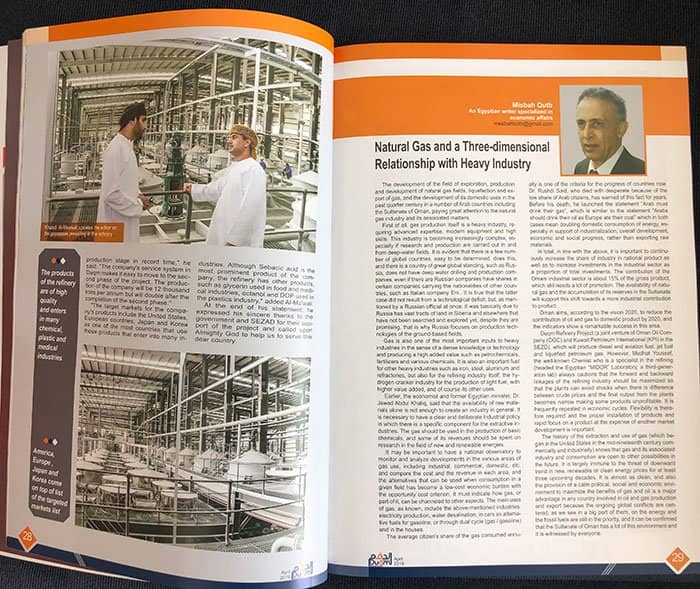
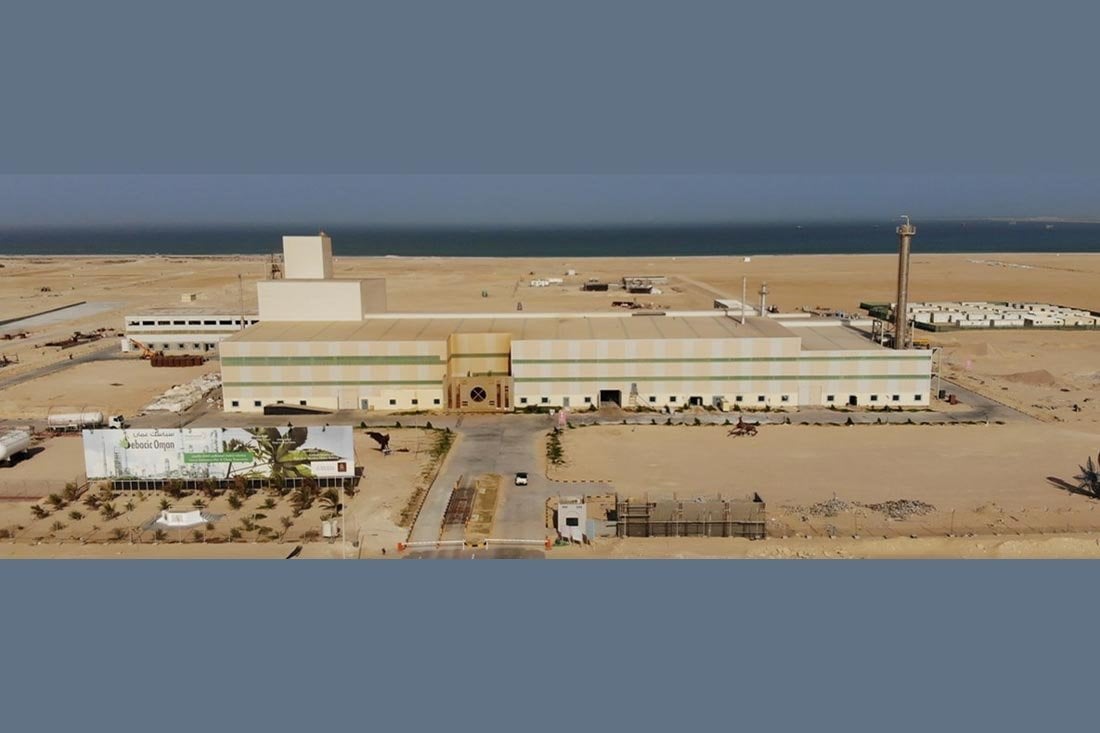
Sebacic Oman S.A.O.C. — Al Duqm, Sultanate of Oman
Green Chemistry, Global Scale.
The Gulf's first bio-based specialty chemicals biorefinery. Manufacturing sebacic acid and green intermediates from native Omani castor oil — clean replacements for petroleum-based, carcinogenic plastics.
“Green Nylons — the non-cancer-causing polymer.”
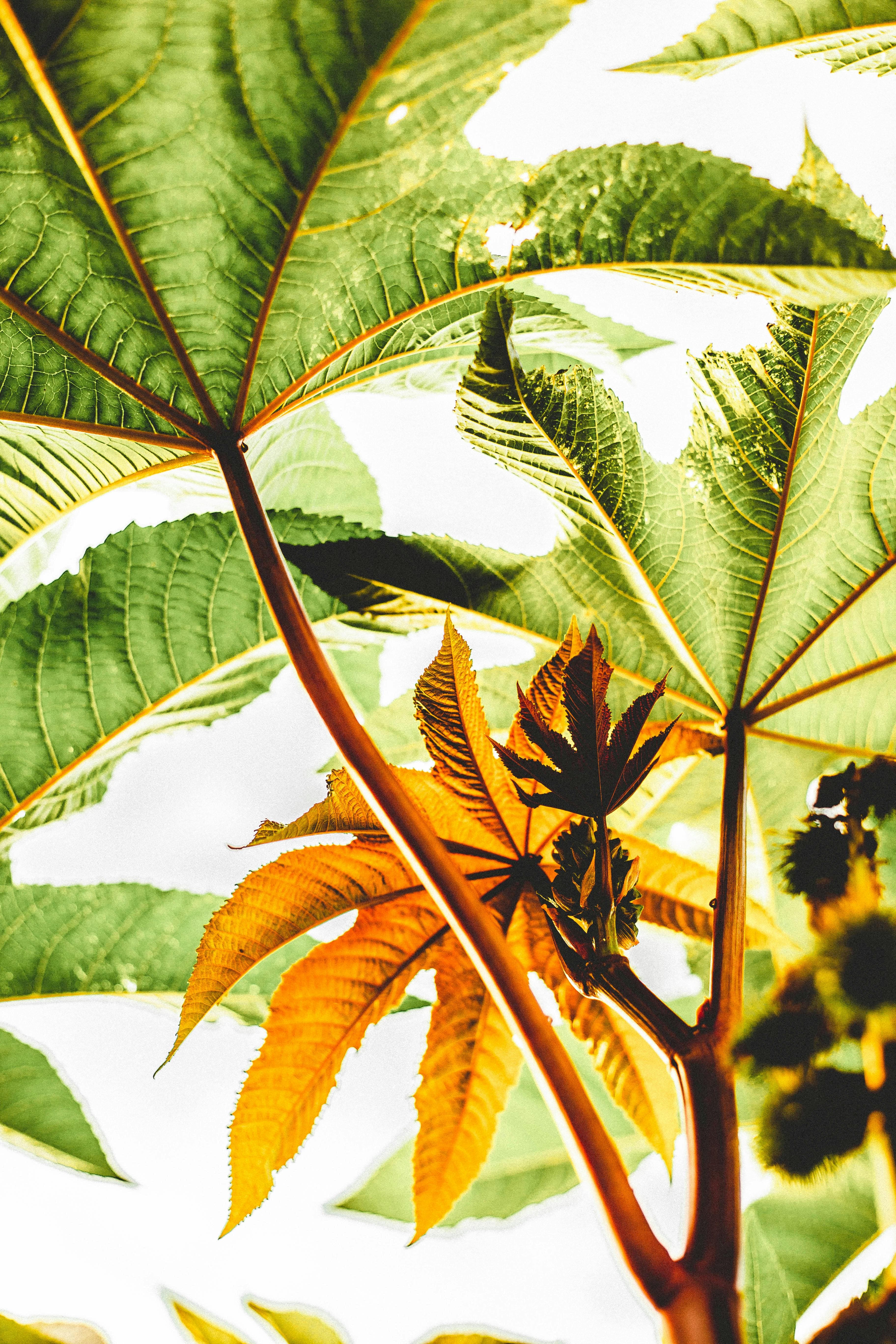
The Feedstock
Where green chemistry begins.
Every product from our Duqm bio-refinery traces back to a single plant — Ricinus communis, the castor. Native to Oman, drought-tolerant, and high in oil content, it's the renewable foundation of a bio-economy that replaces petroleum across nylons, lubricants, cosmetics, and pharmaceuticals.
From a humble seed in Omani soil to high-performance polymers in aerospace and medicine — this is where it begins.
Ricinus communis — the bio-based feedstock
Key figures
Sustainability
Replacing Petroleum.
Not Just Reducing It.
Every kilogram of Sebacic Oman product displaces a petroleum-derived equivalent. Our biorefinery uses castor oil — a plant that grows natively in the Omani desert — as the sole feedstock for our entire product portfolio.
Green Nylons — the non-cancer-causing polymer. Bio-polyamides PA 6.10, 4.10, and 10.10 made from our sebacic acid are safe, high-performance alternatives to conventional petroleum-based nylons.
*Illustrative estimate. Exact figure subject to full lifecycle assessment.
Logistics & Export
Duqm to the World.
The Special Economic Zone at Al Duqm is one of the largest free zones in the Gulf. Our Duqm location is not incidental — it is a deliberate competitive advantage, built into every customer quotation.
Free-Trade Access
Tax-Free Zone
30-year corporate tax exemption within SEZAD. 100% foreign ownership permitted. Zero customs duties on capital goods and raw material imports.
Port of Duqm
Deep-water industrial port with direct access to the Arabian Sea. Purpose-built for bulk and break-bulk chemical cargo, with LNG terminal proximity.
FTA Network
Preferential access across GCC (6 nations), GAFTA (18 Arab states), and bilateral FTAs with the US, Singapore, and the EFTA states — Iceland, Norway, Liechtenstein, Switzerland.
Strategic Location
Positioned between the Indian subcontinent, East Africa, and the Gulf. 70% of global maritime trade passes within 500 nautical miles of Duqm.
Interactive trade-route map
View on Logistics page →